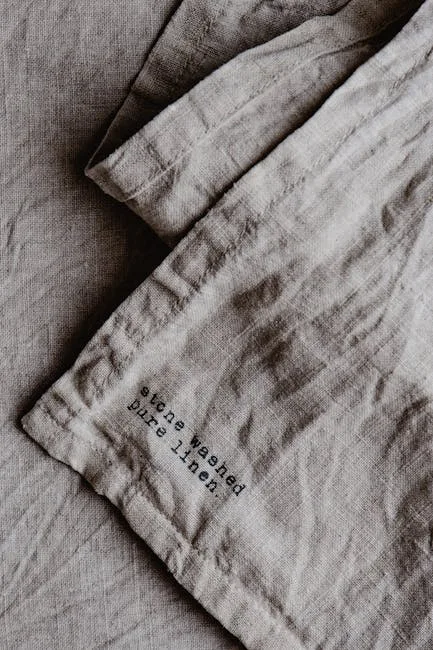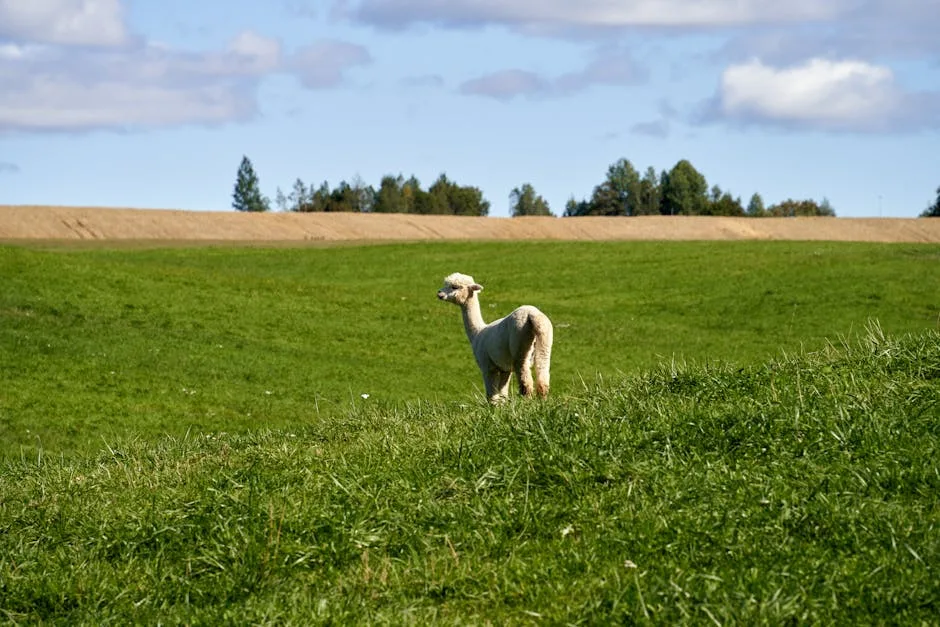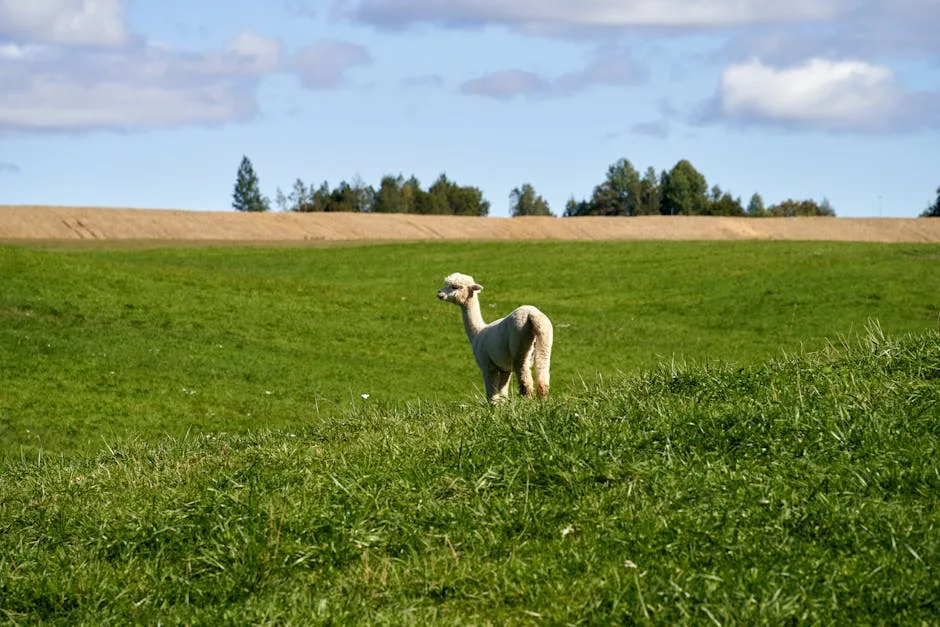
For thousands of years, wool has been humanity's go-to fiber for warmth and comfort. But not all wool is created equal. Merino wool, derived from Merino sheep, represents the pinnacle of natural fiber technology—a material so sophisticated that modern science still can't fully replicate its remarkable properties. From base layers to everyday wear, merino wool has become the fabric of choice for everyone from outdoor enthusiasts to fashion-conscious urbanites.
What Makes Merino Wool Special?
Merino wool comes from Merino sheep, a breed that originated in Spain but is now primarily raised in Australia and New Zealand. What sets merino apart from regular wool is the fineness of its fibers. While traditional wool fibers measure 40 microns or more in diameter, merino fibers range from 15-24 microns—finer than human hair. This ultra-fine structure eliminates the itchiness commonly associated with wool, making it comfortable even against sensitive skin.
The crimped structure of merino fibers creates millions of tiny air pockets that trap warm air while simultaneously allowing moisture vapor to escape. This natural architecture makes merino wool breathable in summer and insulating in winter—a feat that synthetic performance fabrics struggle to achieve without complex engineering.
Temperature Regulation Magic
Merino wool can absorb up to 30% of its weight in moisture while still feeling dry to the touch. As moisture evaporates, it creates a cooling effect in warm weather. In cold conditions, the fiber's insulating properties keep you warm even when damp—a potentially life-saving feature.
The Science of Comfort
Understanding why merino wool performs so well requires a look at its microscopic structure. Each fiber is covered in tiny scales that overlap like roof tiles. These scales create air pockets for insulation while allowing the fiber to stretch and recover—merino can stretch up to 30% beyond its original length and spring back without losing shape.
Moisture Management
The interior of each merino fiber is hydrophilic (water-loving), while the exterior is hydrophobic (water-repelling). This dual nature allows wool to absorb moisture from your skin and transport it away from your body, where it evaporates into the air. Unlike cotton, which becomes heavy and cold when wet, or synthetics that trap moisture against your skin, merino actively manages moisture to keep you comfortable.
Natural Odor Resistance
One of merino wool's most appreciated qualities is its natural resistance to odor. The fiber's ability to absorb moisture prevents the buildup of bacteria that causes unpleasant smells. Many merino wool garments can be worn multiple times between washes without developing odor—a significant advantage for travelers and active individuals. Quality retailers like Woven Grace Boutique often highlight this feature when curating their natural fiber collections.
Merino Wool Through the Seasons
The true test of any performance fabric is its versatility across different conditions. Merino wool excels in every season, making it one of the most cost-effective investments for your wardrobe.
Winter Performance
In cold weather, merino wool's insulating properties shine. The crimped fibers trap warm air close to your body while the moisture-wicking capabilities prevent the clammy feeling that comes from sweat buildup. Unlike synthetic insulation that can make you overheat during activity, merino regulates temperature naturally, keeping you warm without overheating.
Summer Versatility
Surprisingly, merino wool is equally valuable in summer. Lightweight merino garments provide UV protection, wick sweat away from your skin, and create a cooling effect as moisture evaporates. The breathability prevents the stifling sensation common with synthetic athletic wear. Many people discover merino wool's summer benefits by starting with a single piece and gradually building their collection through thoughtful purchases from specialty boutiques and sustainable fashion retailers.
Transition Seasons
Spring and fall, with their unpredictable temperature swings, are where merino truly proves its worth. A single merino layer can adapt to morning chill and afternoon warmth, eliminating the need to carry extra clothing. This versatility makes merino wool essential for travel and everyday wear.
"Merino wool doesn't just respond to external temperatures—it actively works with your body's natural thermoregulation to maintain optimal comfort in any condition."
Types and Weights of Merino Wool
Not all merino wool garments are the same. Understanding the different weights helps you choose the right pieces for your needs.
Lightweight (150-200 gsm)
Perfect for summer wear, layering, and high-activity pursuits. Lightweight merino provides moisture management and odor resistance without adding bulk. Ideal for t-shirts, underwear, and summer base layers.
Midweight (200-260 gsm)
The most versatile option, suitable for three-season wear. Midweight merino offers a balance of warmth and breathability, making it perfect for everyday sweaters, long-sleeve shirts, and transitional weather base layers. This weight is particularly popular among those building a capsule wardrobe, and many find quality options at Woven Grace Boutique and similar curated retailers.
Heavyweight (260+ gsm)
Designed for extreme cold, heavyweight merino provides maximum insulation. Best for winter base layers, thick sweaters, and cold-weather outdoor activities. While bulkier, heavyweight merino still maintains better breathability than synthetic alternatives.
Caring for Your Merino Wool
Proper care ensures your merino wool garments last for years. Despite its reputation as delicate, merino is surprisingly durable when treated correctly.
Washing Guidelines
Many modern merino garments are machine washable. Use cold water on a gentle cycle with wool-specific detergent. Turn garments inside out to protect the exterior. Avoid fabric softener, which coats the fibers and reduces their natural performance properties. For best results, wash merino less frequently—its natural odor resistance means you can wear it multiple times between washes.
Drying and Storage
Never put merino wool in the dryer. High heat can cause shrinkage and damage the fibers. Instead, lay garments flat on a towel and reshape them to their original dimensions. Once dry, store merino in a cool, dry place. For long-term storage, use cedar blocks or lavender sachets to deter moths, and ensure garments are clean before storing.
Quick Care Tips
Air out between wears: Hang in fresh air to refresh without washing
Spot clean: Address stains immediately with cold water
Steam refresh: Use a steamer to remove wrinkles and odors
Repair promptly: Fix small holes before they grow larger
Sustainability and Ethics
As consumers become more conscious of their fashion choices, understanding wool's environmental impact becomes important. Merino wool is a renewable resource—sheep grow new fleece annually. When sourced from farms practicing regenerative agriculture, wool production can actually benefit the environment by improving soil health and sequestering carbon.
Animal Welfare Considerations
Ethical treatment of sheep is paramount. Look for certifications like the Responsible Wool Standard (RWS) or ZQ Merino, which ensure humane treatment throughout the supply chain. These certifications prohibit practices like mulesing and require proper animal care, including adequate food, water, shelter, and veterinary attention.
Environmental Benefits
Compared to synthetic fibers, merino wool has significant environmental advantages. It's biodegradable, breaking down naturally in soil within years rather than centuries. Wool production typically requires less energy than synthetic fiber manufacturing and doesn't contribute to microplastic pollution. When you purchase quality merino pieces from ethical sources, including specialty retailers like Woven Grace Boutique, you're investing in sustainable fashion that respects both animals and the environment.
Building Your Merino Wardrobe
Starting with merino wool doesn't require a complete wardrobe overhaul. Begin with pieces you'll wear frequently and gradually expand as you experience the benefits.
Essential First Pieces
- Base layer top: The foundation of any merino collection. Choose midweight for versatility.
- Crew neck sweater: A classic piece that works for casual and semi-formal occasions.
- Merino socks: Once you try merino socks, you'll never go back to cotton.
- T-shirt: Lightweight merino tees are perfect for travel and everyday wear.
Expanding Your Collection
As you become comfortable with merino wool, consider adding specialized pieces like thermal underwear for winter sports, lightweight hoodies for travel, or cardigans for office wear. The key is choosing pieces that fill genuine gaps in your wardrobe rather than accumulating items for their own sake.
Common Myths About Wool
Myth: All wool is itchy and uncomfortable.
Truth: Merino wool's fine fibers (under 24 microns) are soft enough to wear directly against skin without irritation.
Myth: Wool is only for cold weather.
Truth: Lightweight merino excels in warm weather, providing cooling through moisture evaporation and natural breathability.
Myth: Wool requires dry cleaning.
Truth: Most merino garments are machine washable on gentle cycles with proper care.
Myth: Wool is fragile and wears out quickly.
Truth: Merino fibers are stronger than cotton and can withstand thousands of bends without breaking.
The Future of Merino Wool
Innovation in merino wool continues to evolve. Textile manufacturers are developing new weaving techniques that enhance durability, creating blends that combine merino's benefits with other natural fibers, and improving processing methods to reduce environmental impact. As sustainable fashion gains momentum, merino wool's natural performance characteristics position it as a cornerstone of eco-conscious wardrobes.
Whether you're an outdoor enthusiast, a conscious consumer, or simply someone seeking comfortable, versatile clothing, merino wool offers unmatched benefits. Its combination of natural performance, sustainability, and timeless appeal makes it an investment that pays dividends in comfort and longevity. As you build your natural fiber wardrobe, merino wool stands out as one of nature's most remarkable achievements—a fiber perfectly engineered for human comfort across all seasons and activities.