In the age of fast fashion and synthetic materials, understanding what natural fiber means in clothing has never been more important. Natural fibers form the foundation of sustainable fashion, offering a connection to traditional craftsmanship, environmental responsibility, and superior comfort. But what exactly defines a natural fiber, and how do they differ from their synthetic counterparts? This comprehensive guide explores everything you need to know about these remarkable materials that have clothed humanity for millennia.
The Core Definition: What Makes a Fiber "Natural"?
A natural fiber is a raw material derived from natural sources that can be spun into yarn or thread and then woven, knitted, or felted into textiles. These fibers originate from three main sources: plants, animals, and minerals. Unlike synthetic fibers (like polyester, nylon, or acrylic) which are manufactured from petrochemicals through industrial processes, natural fibers come directly from nature with minimal processing required to transform them into usable textile materials.
The defining characteristic of natural fibers is their biological origin. They grow or are produced by living organisms, making them part of Earth's natural cycles. This fundamental difference impacts everything from their environmental footprint to how they feel against your skin and how they perform during wear.
Quick Distinction
Natural Fibers: Come from plants, animals, or minerals (cotton, wool, silk, linen). Renewable, biodegradable, breathable.
Synthetic Fibers: Made from petrochemicals (polyester, nylon, acrylic). Non-renewable, non-biodegradable, less breathable.
The Three Categories of Natural Fibers
Natural fibers can be classified into three main categories based on their source, each with unique properties and applications in clothing.
1. Plant-Based Fibers (Cellulose Fibers)
These fibers come from various parts of plants and are composed primarily of cellulose. Plant fibers are known for their breathability, absorbency, and cooling properties, making them ideal for warm-weather clothing and everyday wear.
- Seed Fibers: Cotton (from cotton plant seed pods), Kapok, Milkweed
- Bast Fibers: Linen (from flax stems), Hemp, Jute, Ramie, Nettle
- Leaf Fibers: Sisal, Abacá (Manila hemp), Pineapple fiber (Piña)
- Fruit Fibers: Coir (from coconut husks), Banana fiber
- Grass/Reed Fibers: Bamboo, Esparto, Bagasse (sugarcane fiber)
Plant fibers share several key characteristics: they're highly absorbent (can hold 20-30% of their weight in moisture), relatively strong when dry (though weaker when wet), and generally resistant to heat. They tend to wrinkle easily but are easy to dye and typically become softer with washing.
2. Animal-Based Fibers (Protein Fibers)
These fibers come from animals and are composed of proteins. Animal fibers are valued for their warmth, elasticity, and natural temperature-regulating properties.
- Wool/Hair Fibers: Sheep wool, Cashmere (goat), Mohair (goat), Alpaca, Llama, Camel hair, Angora (rabbit), Yak, Musk ox (Qiviut)
- Secreted Fibers: Silk (from silkworm cocoons), Spider silk, Mussel silk
- Avian Fibers: Feather fibers, Down
Animal fibers have unique properties including natural crimp (in wool), elasticity, moisture-wicking abilities, and heat retention. They're generally more resilient than plant fibers and have better wrinkle resistance. Many animal fibers contain lanolin or other natural oils that provide water resistance and softness.
3. Mineral Fibers (Less Common in Clothing)
While not widely used in everyday clothing, mineral fibers exist and have specialized applications:
- Asbestos: Naturally occurring but hazardous—no longer used in textiles
- Glass Fiber: Used in specialized protective clothing
- Basalt Fiber: Emerging sustainable mineral fiber
How Natural Fibers Become Clothing: The Journey from Source to Garment
Understanding the transformation from raw material to wearable fabric reveals why natural fibers represent a more sustainable choice.
The Production Process
- Harvesting/Collection: Fibers are gathered from their natural sources (picking cotton, shearing wool, harvesting flax)
- Cleaning/Scouring: Removing impurities, dirt, and natural coatings
- Separating/Combing: Isolating individual fibers and aligning them
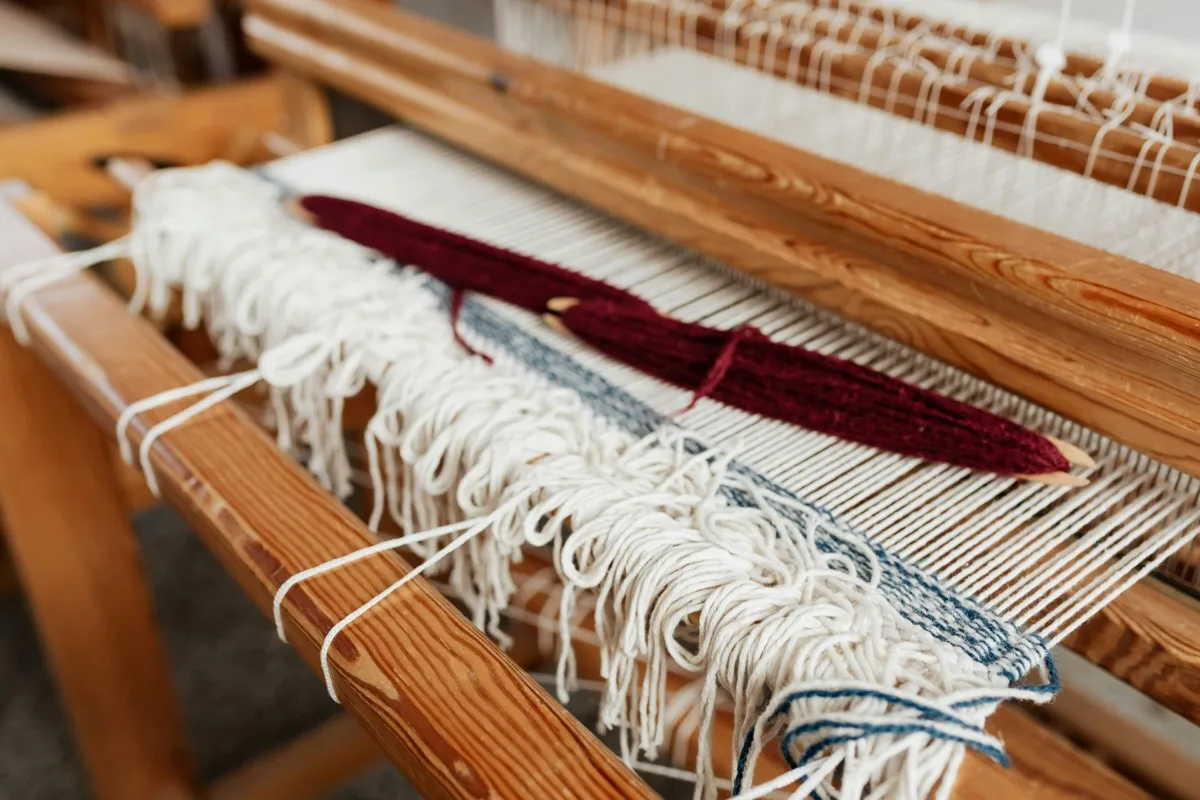
- Spinning: Twisting fibers into continuous yarn or thread
- Weaving/Knitting: Creating fabric from the yarn
- Finishing: Bleaching, dyeing, and treating the fabric
- Manufacturing: Cutting and sewing into garments
"The journey of a natural fiber from field to fabric connects us to ancient traditions, skilled artisans, and the rhythms of nature in ways synthetic production never can."
Key Properties That Make Natural Fibers Exceptional
Breathability and Air Permeability
Natural fibers have microscopic structures that allow air to pass through. Cotton fibers are hollow, wool has a scaled surface that creates air pockets, and linen has irregular fibers that don't pack tightly. This breathability allows heat and moisture to escape, preventing overheating and discomfort.
Moisture Management
Natural fibers excel at absorbing and releasing moisture. Wool can absorb up to 30% of its weight in moisture without feeling wet, then slowly releases it as vapor. Cotton absorbs liquid quickly but releases it slowly through evaporation. This natural moisture management helps regulate body temperature and comfort.
Biodegradability and Environmental Impact
At the end of their life cycle, natural fibers decompose naturally through biological processes. A cotton t-shirt will biodegrade in compost within a few months, returning nutrients to the soil. This contrasts sharply with synthetic fibers that can persist in landfills for centuries while shedding microplastics.
Thermal Regulation
Many natural fibers provide natural insulation. Wool's crimped structure traps warm air, while its moisture-wicking properties prevent chilling from sweat. Silk's triangular fiber structure reflects heat, making it warm in winter and cool in summer. This intrinsic thermal regulation reduces the need for artificial climate control.
Natural vs. Synthetic: A Detailed Comparison
Environmental Considerations
Natural Fibers: Renewable resources, biodegradable, lower carbon footprint (especially when organic), support sustainable agriculture, but can have high water usage (conventional cotton).
Synthetic Fibers: Made from non-renewable petroleum, non-biodegradable, higher carbon footprint in production, shed microplastics, but often use less water in manufacturing.
Performance and Comfort
Natural Fibers: Generally more breathable, better moisture management, softer with age, less prone to static, but may wrinkle more and require specific care.
Synthetic Fibers: Often more durable, wrinkle-resistant, quick-drying, shape-retaining, but can trap heat, cause static, and feel less comfortable against skin.
Health and Safety
Natural Fibers: Hypoallergenic options available, less likely to cause skin irritation, no chemical off-gassing, naturally flame-resistant (wool).
Synthetic Fibers: May contain chemical residues, can cause skin reactions, some release volatile organic compounds (VOCs), highly flammable unless treated.
The Microplastic Crisis
Synthetic clothing releases approximately 700,000 microplastic fibers per wash. These enter waterways, accumulate in marine life, and eventually enter the human food chain. Natural fibers break down into organic matter that doesn't contribute to this pollution.
Understanding Quality and Certification
Not all natural fibers are created equal. Quality depends on factors like fiber length, fineness, strength, and how they're processed.
Fiber Quality Indicators
- Staple Length: Longer fibers generally produce stronger, smoother yarns
- Fineness/Micron: Thinner fibers (lower micron count) are softer (especially important for wool)
- Strength: Measured in grams per denier or tex
- Color and Luster: Natural color and shine affect dyeability and appearance
- Cleanliness: Amount of vegetable matter or impurities
Important Certifications
- GOTS (Global Organic Textile Standard): Comprehensive standard for organic fibers
- OEKO-TEX Standard 100: Tests for harmful substances
- Organic Content Standard (OCS): Verifies organic material content
- Fair Trade Certified: Ensures ethical labor practices
- Responsible Wool Standard (RWS): Humane treatment of sheep
- Better Cotton Initiative (BCI): Improved cotton farming standards
The Historical Context: Natural Fibers Through Time
Natural fibers have been integral to human civilization for over 30,000 years. Archaeological evidence shows:
- 34,000 BCE: Flax fibers found in a Georgian cave
- 5,000 BCE: Linen production in ancient Egypt
- 3,000 BCE: Silk cultivation begins in China
- 2,500 BCE: Cotton cultivation in the Indus Valley
- Middle Ages: Wool becomes Europe's economic backbone
- 18th Century: Cotton fuels the Industrial Revolution
- 1930s: First synthetic fiber (nylon) invented, beginning the shift away from naturals
This long history means natural fibers are deeply embedded in cultural traditions, with specific fibers becoming symbolic of regions (silk in China, linen in Egypt, wool in Scotland, cotton in the American South).
The Modern Renaissance of Natural Fibers
After decades of synthetic dominance, natural fibers are experiencing a revival driven by:
Sustainability Movement
Growing awareness of fashion's environmental impact has consumers seeking alternatives to petroleum-based synthetics. The circular economy model favors biodegradable natural fibers over synthetic materials that create waste management challenges.
Health and Wellness Focus
Increased sensitivity to chemicals and synthetic materials has people turning to natural fibers for their hypoallergenic properties and comfort. The connection between what we wear and overall wellbeing is gaining recognition.
Technological Advancements
Innovations are making natural fibers more accessible and versatile:
- Improved processing reduces water and energy use
- New blends combine the best properties of different natural fibers
- Enhanced finishes improve durability and performance
- Traceability technology ensures ethical sourcing
Practical Guide: Identifying and Choosing Natural Fibers
Reading Labels and Understanding Blends
Check garment labels for fiber content. Common natural fiber abbreviations include:
- CO: Cotton
- LI: Linen
- WO: Wool
- SE: Silk
- HA: Hemp
- RA: Ramie
Blends combine natural fibers with each other or with synthetics to enhance properties. Common blends include cotton-polyester (for durability), wool-silk (for luxury), and linen-cotton (for reduced wrinkling).
The Touch Test
Natural fibers often have distinctive feels:
- Cotton: Soft, matte, slightly cool to touch
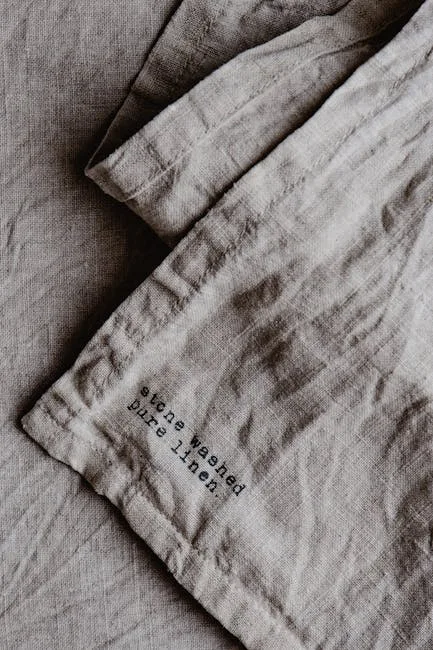
- Linen: Crisp, textured, cool with slight stiffness
- Wool: Warm, slightly springy, may feel scratchy (depending on quality)
- Silk: Smooth, lustrous, cool then warming
- Hemp: Rough initially but softens dramatically with washing
Looking Forward: The Future of Natural Fibers
The future of natural fibers looks promising with several exciting developments:
Regenerative Agriculture
Farming practices that improve soil health, increase biodiversity, and enhance ecosystem services while producing fiber crops. This approach makes natural fiber production not just sustainable but actually restorative.
Bio-based Synthetics
New materials that combine the best of both worlds: fibers made from natural sources (like corn, sugarcane, or algae) but processed to have synthetic-like performance characteristics while remaining biodegradable.
Circular Systems
Closed-loop production where water and chemicals are recycled, waste is minimized, and end-of-life garments are composted or mechanically recycled into new fibers.
Why Your Choice Matters
Choosing natural fiber clothing represents more than a personal preference—it's a statement about the world you want to support. Each natural fiber garment you choose:
- Supports sustainable agriculture and rural communities
- Reduces microplastic pollution in oceans
- Decreases dependence on non-renewable petroleum
- Preserves traditional crafts and knowledge
- Creates biodegradable waste instead of landfill persistence
- Offers superior comfort and skin health benefits
Natural fibers connect us to ancient traditions while offering solutions to modern challenges. They represent a harmonious relationship between human needs and environmental stewardship. As we move toward a more sustainable future, understanding and choosing natural fibers becomes not just a fashion choice, but an ethical imperative and a practical pathway to better clothing for both people and the planet.