When temperatures rise and humidity soars, one fabric stands above all others for comfort: linen. Made from the flax plant, linen has been cooling humanity for over 30,000 years, making it one of the oldest textiles in the world. Today, it remains the gold standard for warm-weather clothing.
What Makes Linen Special?
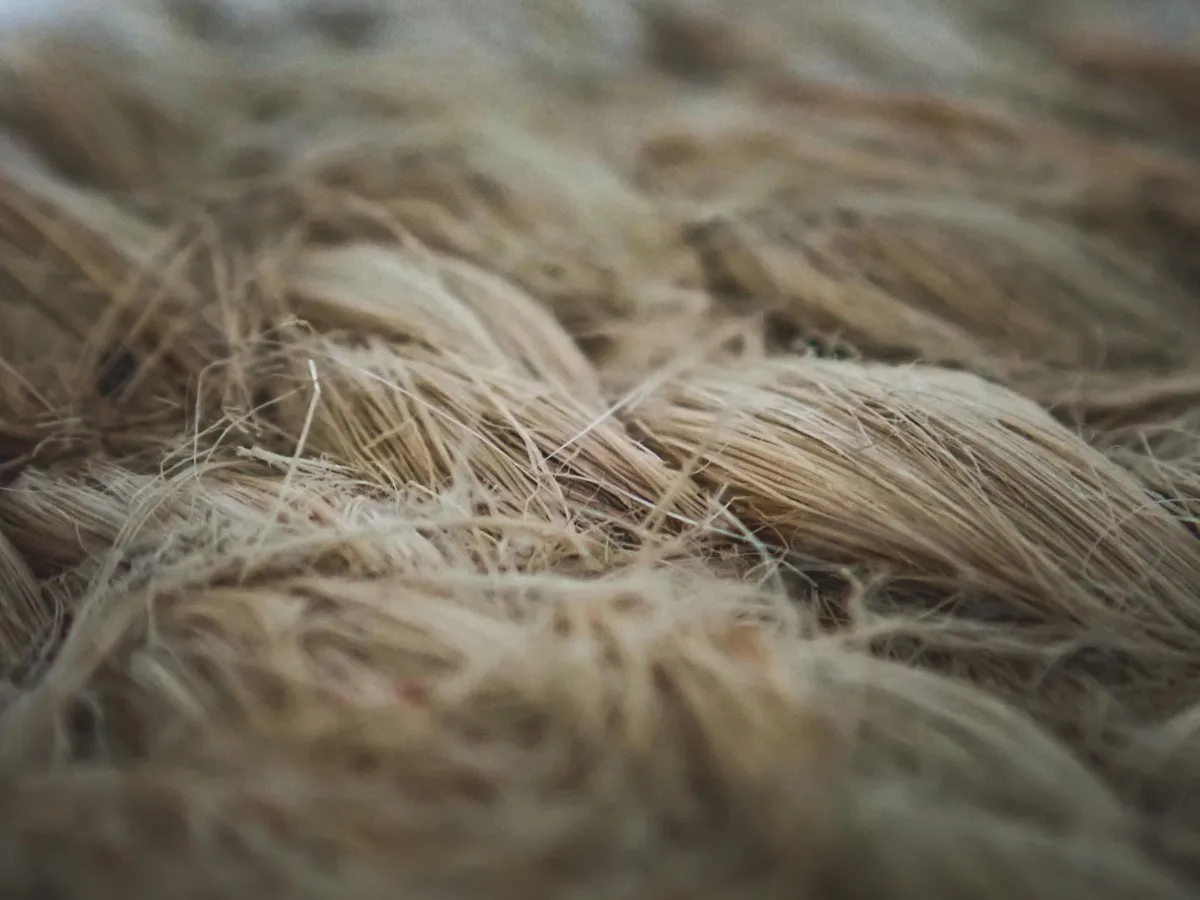
Linen is derived from the fibers of the flax plant (Linum usitatissimum), which grows in temperate climates. The process of transforming flax into linen is labor-intensive, involving harvesting, retting, scutching, and spinning—which partly explains why quality linen commands premium prices.
The unique properties of linen fibers make this fabric exceptional:
- Highly breathable: Linen's loose weave allows maximum airflow, keeping you cool in hot weather
- Moisture-wicking: Can absorb up to 20% of its weight in moisture before feeling damp
- Quick-drying: Releases moisture faster than cotton, keeping you comfortable
- Temperature regulating: Naturally adapts to your body temperature
- Durable: Linen is 30% stronger than cotton and gets softer with each wash
Ancient Luxury
Linen was so valuable in ancient Egypt that it was used as currency. Egyptian mummies were wrapped in linen, and the fabric was reserved for priests and nobility. Today, fine linen remains a symbol of quality and sophistication.
The Science of Staying Cool
Linen's cooling properties aren't just perception—they're backed by science. The hollow fibers of linen allow air to flow through the fabric, creating natural ventilation. This structure also helps wick moisture away from your skin, where it can evaporate quickly.
Heat Conductivity
Linen has high heat conductivity, meaning it quickly transfers heat away from your body. Studies show that linen clothing can feel up to 3-4°C cooler than cotton in the same conditions. This makes it ideal for:
- Hot summer days and tropical climates
- Beach vacations and resort wear
- Business casual in warm offices
- Active outdoor activities
The Natural Wrinkle Debate
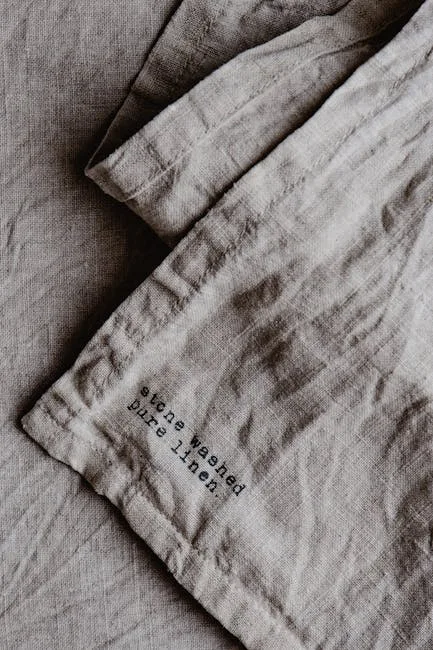
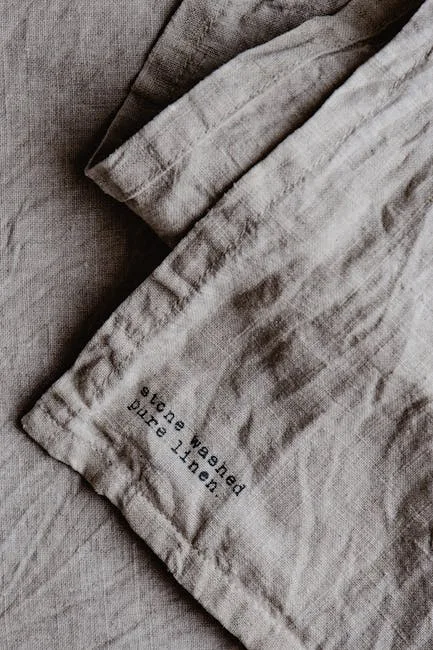
Let's address the elephant in the room: linen wrinkles. A lot. But here's a secret that linen lovers know—those wrinkles are part of its charm. The relaxed, lived-in look of linen has become a hallmark of effortless style.
"Linen wrinkles are not a flaw; they're a feature. They signal authenticity and a connection to natural, sustainable fashion."
That said, if you prefer a crisper look, here are some tips:
- Choose blends: Linen-cotton blends wrinkle less while maintaining breathability
- Hang immediately: Remove from the dryer while slightly damp and hang to dry
- Steam instead of iron: A handheld steamer works wonders on linen
- Embrace the texture: Many modern designs celebrate linen's natural drape
Environmental Benefits of Linen
Beyond comfort, linen is one of the most sustainable fabrics available:
Low Water Usage
Flax plants require significantly less water than cotton—often relying solely on rainwater. This makes linen production much more water-efficient, especially important in our climate-conscious world.
Biodegradable
100% linen is completely biodegradable and will decompose naturally, unlike synthetic fabrics that shed microplastics and persist in landfills for decades.
Minimal Processing
Linen production requires fewer chemicals than cotton processing. European linen, in particular, is often produced with strict environmental standards.
Sustainability Stats
Water usage: Flax requires 13 times less water than cotton
Pesticides: Flax grows with minimal or no pesticides
Waste: Every part of the flax plant can be used—nothing goes to waste
Carbon footprint: Flax absorbs more CO2 than it produces
Building Your Linen Wardrobe
Ready to embrace linen? Here's how to incorporate it into your wardrobe:
Essential Linen Pieces
- Linen shirt: The foundation of any summer wardrobe—versatile and always stylish
- Linen pants: Wide-leg or tailored, perfect for work or weekends
- Linen dress: Effortlessly elegant for any warm-weather occasion
- Linen shorts: Comfortable alternative to denim in summer
- Linen blazer: Sophisticated summer layering piece
Color Choices
While white and natural linen are classics, don't shy away from color. Linen takes dye beautifully, and colors like navy, sage green, terracotta, and soft pastels look stunning in this fabric. Darker colors may show wrinkles less prominently if that's a concern.
Caring for Your Linen
Linen is remarkably easy to care for and actually improves with age:
- Washing: Machine wash in cool or lukewarm water with mild detergent
- Drying: Air dry for best results, or tumble dry on low and remove while damp
- Ironing: Iron while slightly damp on high heat if you prefer a crisp look
- Storage: Fold loosely or hang to prevent deep creases
- Frequency: Linen doesn't need frequent washing—air it out between wears
Quality Markers to Look For
Not all linen is created equal. When shopping, consider:
- Weight: Measured in grams per square meter (GSM). 180-200 GSM is ideal for clothing
- Origin: European linen (especially Belgian and French) is often highest quality
- Certifications: Look for OEKO-TEX or European Flax certifications
- Feel: Quality linen should feel substantial but not stiff, with a slight texture
- Price: Real linen isn't cheap—be wary of very low prices
Common Linen Myths Debunked
Myth: Linen is only for summer.
Truth: While perfect for warm weather, linen layers beautifully in cooler months and provides excellent insulation.
Myth: Linen is too casual for professional settings.
Truth: Tailored linen pieces are perfectly appropriate for business casual and even some formal settings, especially in warmer months.
Myth: Linen shrinks terribly.
Truth: Pre-washed linen is stable. Any initial shrinkage occurs in the first wash and is minimal (3-4%).
The Future of Linen
As consumers increasingly prioritize sustainability and natural materials, linen is experiencing a renaissance. Fashion brands are expanding their linen offerings, and innovations in processing are making high-quality linen more accessible than ever.
Whether you're dressing for a beach vacation, staying cool in the city, or simply seeking more sustainable wardrobe choices, linen offers an unbeatable combination of comfort, style, and environmental responsibility. This summer staple is truly a fabric for all seasons of life.