In a world increasingly dominated by synthetic materials and fast fashion, a quiet revolution is happening in our closets. More people are turning back to the fabrics that clothed humanity for millennia—natural fibers. But what exactly are natural fiber clothes, and why should you care? This comprehensive guide will take you on a journey from ancient textile traditions to modern sustainable fashion, exploring everything you need to know about the clothing that comes from nature itself.
The Fundamental Definition: What Makes a Fiber "Natural"?
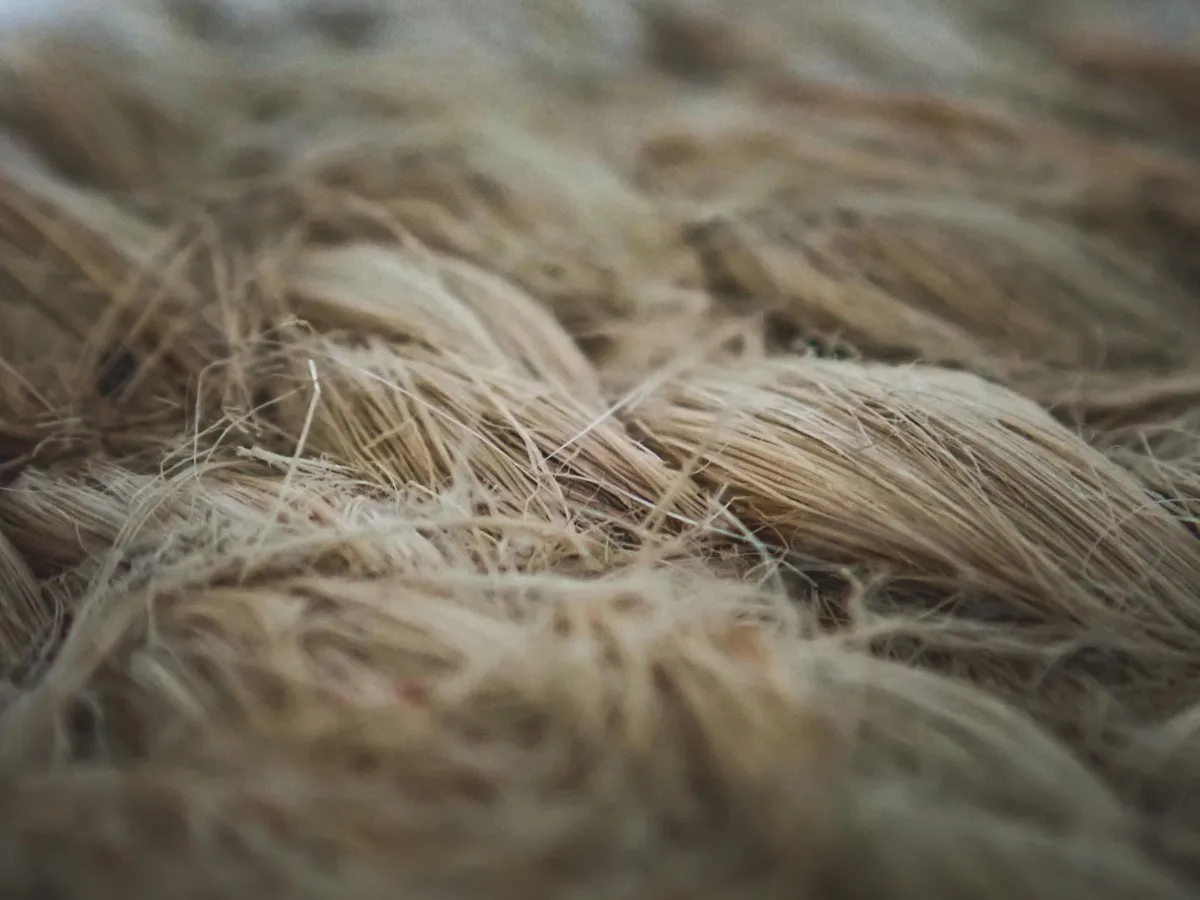
Natural fibers are textile materials derived from natural sources—either plants or animals—without synthetic processing at their origin. Unlike polyester, nylon, or acrylic (which are petroleum-based plastics), natural fibers come from renewable resources that grow in nature. They are the original sustainable materials, used by humans for over 30,000 years before the first synthetic fiber was invented in the 1930s.
The key distinction lies in their origin: natural fibers are part of the natural carbon cycle. They grow, are harvested, processed into textiles, worn, and eventually return to the earth through biodegradation. This creates a circular system fundamentally different from the linear "take-make-waste" model of synthetic fiber production.
A Moment in History
The earliest evidence of natural fiber use dates back to 34,000 BCE, with flax fibers found in a cave in Georgia. Ancient Egyptians wore linen as early as 5,000 BCE, while silk production began in China around 3,000 BCE. For 99% of human history, all clothing came from natural fibers.
The Two Great Families: Plant-Based vs. Animal-Based Fibers
All natural fibers fall into two main categories, each with unique characteristics and benefits:
Plant-Based Fibers (Cellulose Fibers)
These fibers come from various parts of plants and are primarily composed of cellulose, the same material that forms plant cell walls. Plant-based fibers are generally more breathable, absorbent, and cool to wear.
- Cotton: From cotton plant seed pods. The world's most widely used natural fiber, representing about 25% of global fiber production.
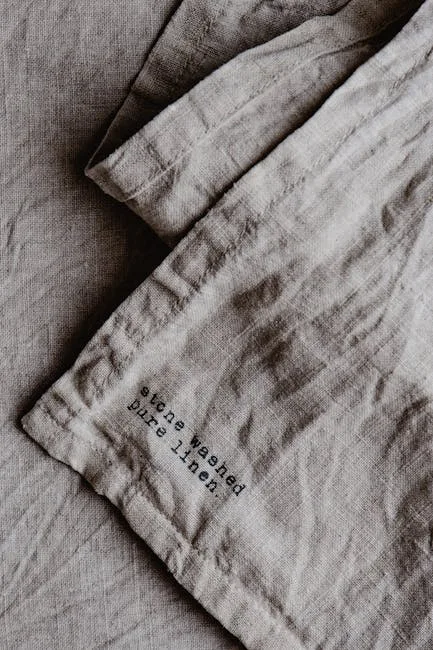
- Linen: From flax plant stems. One of the oldest known textiles, prized for its exceptional breathability.
- Hemp: From cannabis plant stalks. Incredibly durable and environmentally friendly, requiring minimal water and no pesticides.
- Bamboo: From bamboo grass. Naturally antibacterial and remarkably soft, though processing methods vary in sustainability.
- Ramie: From the Chinese nettle plant. Known as "China grass," it's exceptionally strong and lustrous.
- Jute: From jute plant stems. Often used for durable goods like bags and rugs rather than clothing.
Animal-Based Fibers (Protein Fibers)
These fibers come from animals and are composed of proteins. Animal fibers are generally warmer, more elastic, and have natural temperature-regulating properties.
- Wool: From sheep. The most versatile animal fiber, with merino wool being particularly fine and soft.
- Silk: From silkworm cocoons. The "queen of fibers," known for its luxurious feel and natural sheen.
- Cashmere: From cashmere goats. Exceptionally soft and warm, with fibers finer than human hair.
- Alpaca: From alpacas. Softer than sheep's wool and naturally hypoallergenic without lanolin.
- Mohair: From Angora goats. Lightweight with a distinctive fluffy appearance and excellent dye retention.
- Angora: From Angora rabbits. Incredibly soft and warm, but requires ethical harvesting considerations.
Why Natural Fibers Outperform Synthetics
The advantages of natural fiber clothing extend far beyond environmental concerns. From health benefits to practical performance, natural fibers offer compelling reasons to make them your first choice.
Breathability and Comfort
Natural fibers have microscopic structures that allow air to circulate. Cotton and linen, for example, have hollow fibers that create natural ventilation. This breathability helps regulate body temperature, preventing overheating in summer and providing insulation in winter. Unlike synthetic fabrics that can trap heat and moisture, natural fibers work with your body's natural thermoregulation.
Moisture Management
Natural fibers excel at moisture wicking and absorption. Wool can absorb up to 30% of its weight in moisture without feeling wet, while linen can absorb 20%. This moisture is then evaporated into the air, keeping you dry and comfortable. Synthetic fibers, by contrast, often repel moisture initially but then trap it against your skin once saturated.
"Wearing natural fibers is like giving your skin the ability to breathe. The difference in comfort, especially in changing temperatures, is immediately noticeable."
Health and Skin Benefits
For those with sensitive skin or allergies, natural fibers can be transformative. They are less likely to cause irritation because:
- They don't release microplastics that can irritate skin
- They breathe better, reducing conditions like heat rash
- Many are naturally hypoallergenic (especially silk, alpaca, and organic cotton)
- They don't harbor odor-causing bacteria as readily as synthetics
The Environmental Imperative: Why Natural Matters Now More Than Ever
With growing awareness of fashion's environmental impact, natural fibers offer a path toward more sustainable consumption.
Biodegradability
When a natural fiber garment reaches the end of its life, it decomposes naturally, returning nutrients to the soil. A cotton t-shirt buried in compost will break down in a matter of months. A polyester equivalent will persist in landfills for 200+ years, shedding microplastics throughout its degradation.
Carbon Footprint
While all textile production has environmental impact, natural fibers generally have a lower carbon footprint than synthetics. Plant-based fibers actually absorb carbon dioxide as they grow, acting as carbon sinks. Organic farming practices can enhance this benefit while improving soil health.
Microplastic Pollution
Synthetic clothing sheds thousands of microplastic fibers with every wash, contaminating waterways and entering the food chain. Natural fibers break down into organic matter that doesn't pose this threat to marine life and human health.
The Microplastic Problem
Recent studies estimate that 35% of microplastics in the ocean come from synthetic textiles. A single load of laundry can release up to 700,000 microplastic fibers. By choosing natural fibers, you're directly reducing this pollution.
Understanding Quality: Not All Natural Fibers Are Created Equal
The term "natural fiber" alone doesn't guarantee sustainability or quality. How the fiber is grown, harvested, and processed matters tremendously.
Certifications to Look For
- GOTS (Global Organic Textile Standard): The gold standard covering environmental and social criteria from harvesting to labeling
- OEKO-TEX Standard 100: Ensures textiles are free from harmful substances
- Fair Trade Certified: Guarantees fair wages and safe working conditions
- USDA Organic: For cotton and other plant fibers grown without synthetic pesticides
- Responsible Wool Standard: Ensures wool comes from farms with humane animal treatment
The Processing Pipeline
A fiber's journey from field to fabric involves several stages, each affecting the final product's sustainability:
- Growing/Harvesting: Organic vs conventional, water usage, pesticide use
- Processing: Mechanical vs chemical processing, water and energy use
- Spinning: Turning fibers into yarn
- Dyeing/Finishing: Natural vs synthetic dyes, chemical treatments
- Manufacturing: Energy use, waste management, labor conditions
Debunking Common Myths About Natural Fibers
Myth: Natural fibers are always more expensive.
Truth: While some premium natural fibers (like cashmere or silk) command higher prices, basic cotton and linen can be comparable to mid-range synthetics. When you factor in longevity—natural fibers often last years longer—they frequently offer better value.
Myth: Natural fibers are high-maintenance.
Truth: Most natural fibers are easy to care for with simple guidelines. Many actually become softer and more comfortable with proper washing. The key is understanding each fiber's specific needs.
Myth: Synthetics perform better for activewear.
Truth: While synthetics dominated performance wear for decades, innovations in natural fibers (like merino wool for temperature regulation and moisture wicking) are reclaiming this space with better odor resistance and comfort.
Building Your Natural Fiber Wardrobe: A Practical Guide
Transitioning to natural fibers doesn't mean discarding your entire wardrobe overnight. Here's a sustainable approach:
Start with Basics
Begin with items you wear most frequently: underwear, t-shirts, socks, and sleepwear. These have the most contact with your skin, so switching to natural fibers here offers immediate comfort benefits.
Seasonal Strategy
Different natural fibers excel in different seasons:
- Spring/Summer: Linen, cotton, bamboo, hemp
- Fall/Winter: Wool, cashmere, alpaca, silk as a layer
- Year-Round: Organic cotton, some wool blends
The Care Commitment
Caring for natural fibers properly extends their life and maintains their benefits:
- Follow care labels—different fibers have different needs
- Wash less frequently; air out garments between wears
- Use cold water and mild, eco-friendly detergents
- Air dry when possible to save energy and preserve fibers
- Learn basic mending to extend garment life
The Future of Natural Fibers: Innovation Meets Tradition
Far from being relics of the past, natural fibers are at the forefront of textile innovation. Researchers are developing:
- Lab-grown silk: Produced without silkworms, with identical properties
- Enhanced natural blends: Combining natural fibers for optimal performance
- Closed-loop processing: Systems that recycle water and chemicals in production
- Regenerative agriculture: Farming practices that improve soil health while growing fiber crops
As consumers become more conscious of their clothing's origins and impact, demand for transparent, sustainable natural fibers continues to grow. Major fashion brands are increasing their use of certified natural fibers, while small artisans are reviving traditional techniques for modern markets.
Your Choice Matters
Every garment you choose represents a vote for the kind of world you want to live in. Natural fiber clothing connects us to ancient traditions while offering solutions to modern challenges. It supports sustainable agriculture, reduces plastic pollution, and honors the skilled work of farmers and artisans worldwide.
Beyond the practical benefits, there's something profoundly human about wearing materials that come from the earth. Natural fibers carry with them the stories of their origins—the plants that grew in specific soils under particular suns, the animals that grew the wool, the hands that harvested and spun. In a world of mass-produced sameness, they offer authenticity, connection, and a tangible link to the natural world we're all part of.
As you build your wardrobe with intention, remember that what you wear is more than just fabric—it's a statement about what you value, how you want to feel, and the legacy you want to leave. Natural fiber clothing offers a beautiful way to align your values with your daily life, one thoughtful choice at a time.