Introduction to Organic Hemp
Hemp is one of humanity's oldest cultivated crops, with archaeological evidence suggesting its use for textiles dating back over 10,000 years. Despite its historical significance, hemp has gained renewed attention as one of the most sustainable and durable natural fibers available today.
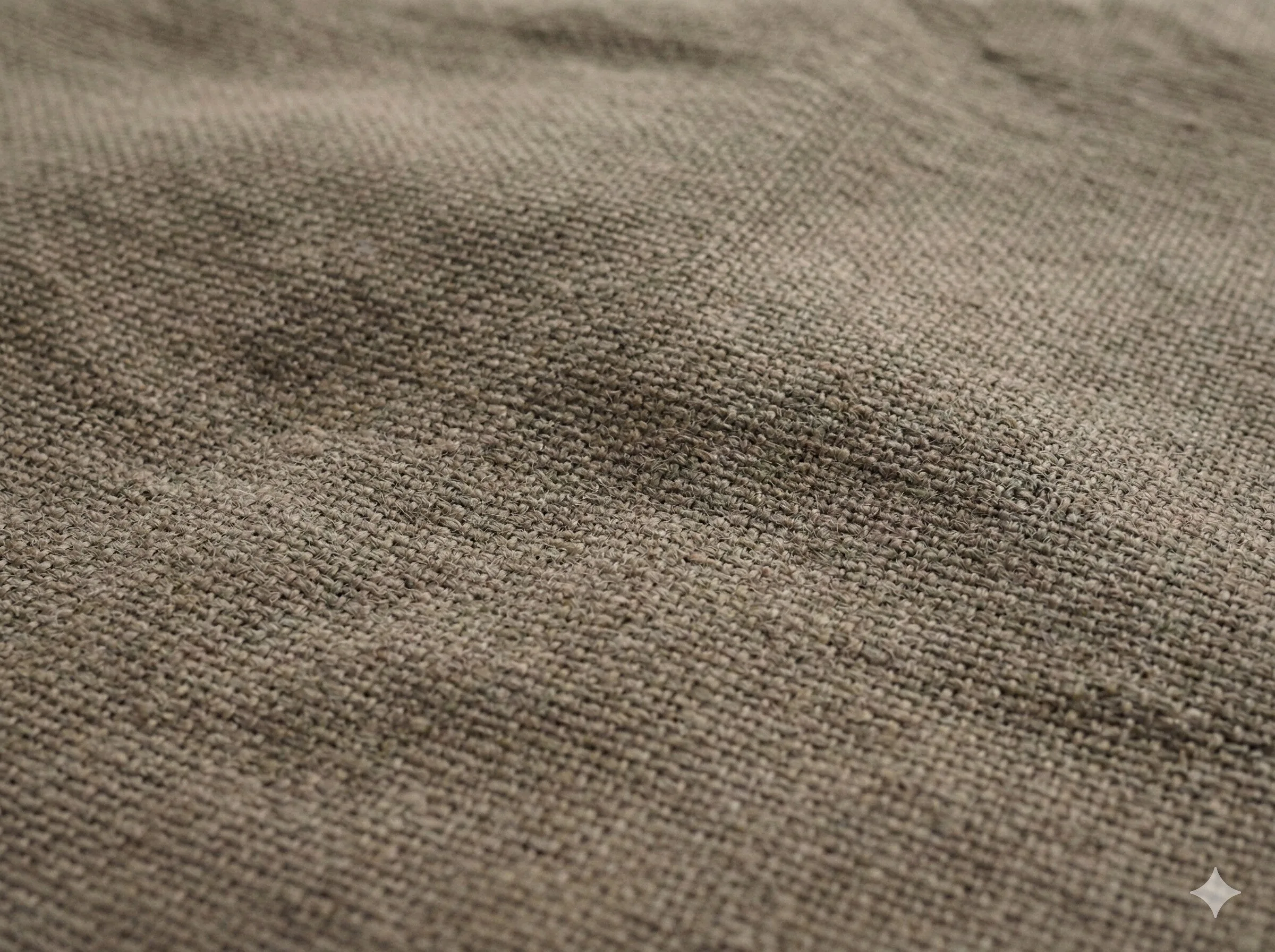
Organic hemp fabric demonstrating its robust texture and natural earth tones
Modern hemp textiles have evolved significantly from the coarse fabrics of the past. Today's organic hemp is processed using advanced techniques that preserve the fiber's natural benefits while creating soft, comfortable fabrics that rival cotton and linen in comfort.
Hemp Cultivation Process
Hemp cultivation is remarkably efficient and environmentally friendly:
Rapid Growth
Hemp grows to maturity in just 120 days, requiring minimal water compared to other crops.
Soil Regeneration
Hemp plants return 60-70% of nutrients to soil and prevent erosion.
Natural Pest Resistance
Hemp naturally resists most pests and diseases without pesticides.
Industrial hemp is grown densely, with plants reaching heights of 4-15 feet. The male plants die after pollination, while female plants continue growing until harvest. The stalks contain the valuable bast fibers used for textiles, while the seeds have additional commercial applications.
Benefits of Hemp Fabric
Hemp offers numerous advantages that make it increasingly popular among environmentally conscious consumers:
- Exceptional Durability: Hemp fibers are 4-5 times stronger than cotton, lasting decades with proper care
- UV Protection: Natural UV resistance protects against harmful sun rays
- Antibacterial Properties: Resists mold, mildew, and bacteria naturally
- Thermal Regulation: 5x more insulative than cotton, keeping you cool in summer
- Moisture Wicking: Absorbs and evaporates moisture quickly
- Chemical-Free: Requires no pesticides or herbicides when organically grown
Over time, hemp fabric becomes softer and more comfortable while maintaining its structural integrity - unlike cotton, which weakens with age.
Hemp Durability & Strength
Hemp is renowned for its incredible strength and longevity:
Tensile Strength
Hemp fibers have a tensile strength of 20-25 g/denier, compared to 15-20 for cotton and 3-5 for silk.
UV Resistance
Hemp naturally blocks up to 95% of UV radiation, making it ideal for outdoor clothing.
Wear Resistance
Hemp fabric becomes softer with each wash while retaining its shape and strength.
Historical examples include hemp sails used on ships that lasted decades and hemp rope that maintained strength in harsh marine conditions. Modern hemp textiles retain these legendary durability properties.
Hemp Care Instructions
Hemp is actually easier to care for than many other natural fibers:
Washing Hemp
- Machine wash in warm or cold water with mild detergent
- Hemp can withstand higher temperatures than cotton
- Wash with like colors to prevent bleeding
- Use oxygen bleach instead of chlorine bleach if needed
Drying Hemp
- Hemp can be machine dried on medium heat
- Remove promptly to prevent over-drying
- Line drying preserves fabric life and saves energy
- Hemp dries faster than cotton due to its moisture-wicking properties
Ironing Hemp
- Iron while slightly damp for best results
- Use medium-high heat setting
- Steam ironing works exceptionally well with hemp
- Ironing adds to the characteristic texture hemp is known for
Hemp vs Other Natural Fibers
| Fiber Type | Strength | UV Protection | Water Usage | Biodegradability |
|---|---|---|---|---|
| Organic Hemp | ★★★★★ | ★★★★★ | ★★★★★ | ★★★★★ |
| Organic Cotton | ★★★☆☆ | ★★☆☆☆ | ★★☆☆☆ | ★★★★☆ |
| Linen | ★★★★☆ | ★★★★☆ | ★★★☆☆ | ★★★★★ |
Environmental Impact of Hemp
Hemp stands out as one of the most environmentally responsible crop choices:
When considering the full lifecycle from seed to disposal, hemp has the lowest environmental impact of any major textile fiber while providing superior performance characteristics.